
Why Our Network of Local Craftsmen and Specialists Makes All the Difference
Building a custom home is one of the most exciting journeys you will ever take. You are not just buying a property; you are turning ideas, Pinterest boards, and late-night dreaming sessions into a physical structure where your family will live, make memories, and grow.
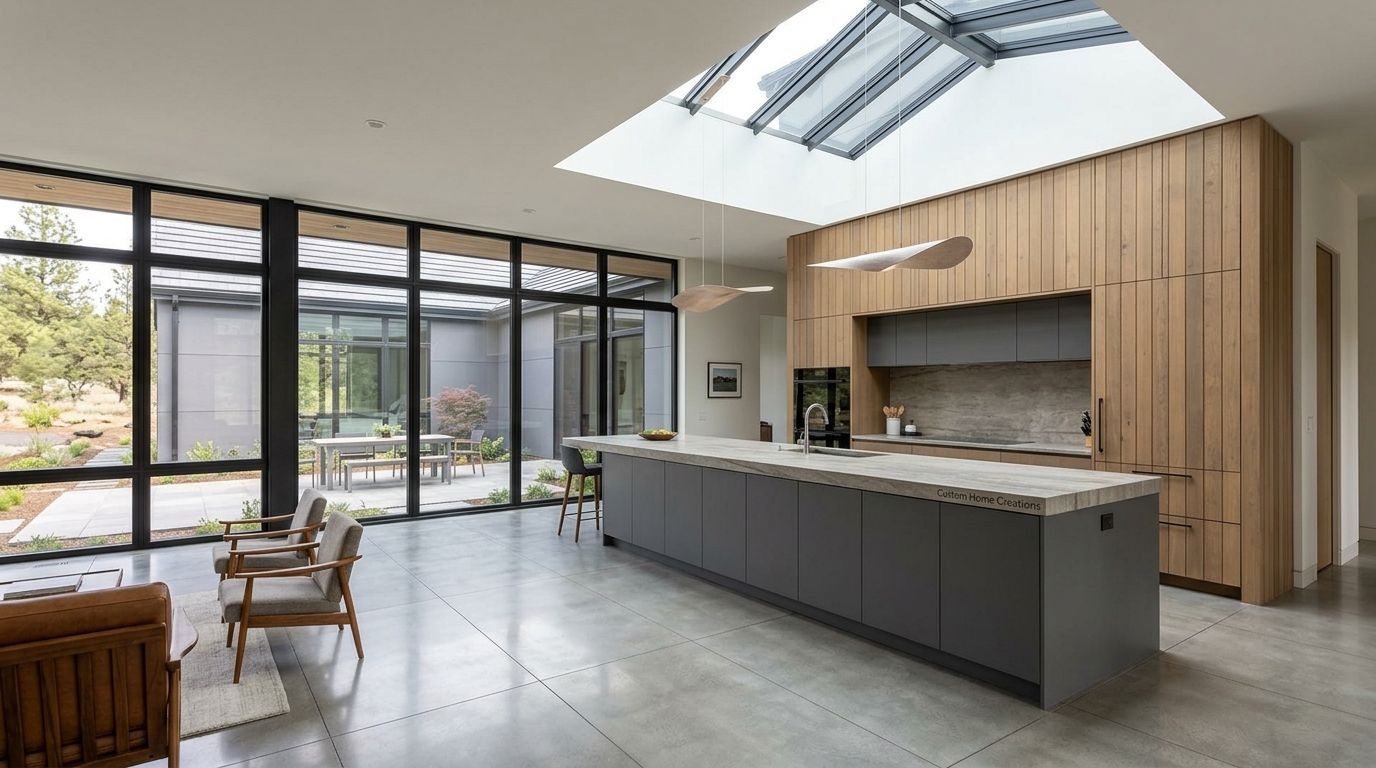
When you start planning a custom build, it is easy to focus primarily on the fun, visual elements: the kitchen island countertop, the floor-to-ceiling windows, the cozy layout, or the primary suite. But behind every beautiful surface, smooth wall, and perfectly fitted cabinet lies something much deeper: the human skill that put it together.
A house is only as good as the hands that build it. No matter how incredible an architectural floor plan looks on paper or in a 3D rendering, the real-world quality of your home depends entirely on the people swinging the hammers, pouring the concrete, running the electrical lines, and custom-crafting your cabinetry.
That is why at Custom Home Creations, our greatest asset isn't just our design software or project management apps—it is our trusted, long-standing network of local craftsmen, structural engineers, and regional suppliers.
Here is a deep dive into why working with a tight-knit network of local experts makes all the difference when building your dream home, and how those relationships directly protect your budget, your timeline, and your quality of life.
1. What "Local Craftsmen and Specialists" Really Means
When you hire a general contractor or custom home builder, they rarely perform every single task themselves. A custom home requires dozens of specialized skills.
Rather than relying on temporary workers, automated factory assembly, or rotating crews who view your home as just another quick job, a high-end custom builder works with a dedicated team of specialists:
- Custom Woodworkers & Cabinetmakers: Artisans who build custom cabinetry, trim, banisters, and floating shelves tailored specifically to your home’s exact dimensions.
- Structural Engineers: Licensed professionals who calculate weight distribution, foundation stability, and load-bearing requirements to ensure your home is built safely and built to last.
- Master Masons & Stone Setters: Tradespeople who lay brick, install stone facades, and build stonework features with precision.
- Finish Carpenters: Specialists responsible for the intricate wood trim, baseboards, crown molding, and door installations that give a home its polished, high-end feel.
- Licensed Electricians & Plumbers: Experts who lay out the critical inner workings of your home, ensuring everything is safe, energy-efficient, and hidden seamlessly behind the walls.
- Local Material Suppliers: Regional lumberyards, stone quarries, and fixture distributors who source high-quality building materials directly.
When these individuals have worked together for years across dozens of projects, they operate less like separate contractors and more like a well-rehearsed orchestra.
2. The Power of Synergy: Why Team Relationships Matter
Imagine hiring five brilliant musicians who have never met, putting them in a room, and asking them to play a complex song without rehearsal. Even if each musician is individually talented, the result will likely sound disjointed.
The same principle applies to building a home.
If a builder hires whoever is cheapest on any given day, those workers don't know each other’s habits, expectations, or quality standards. The electrician might drill a hole through a timber that the carpenter worked hours to frame perfectly. The tile setter might arrive only to find that the floor underlayment wasn't leveled properly by the subflooring crew.
When a builder maintains a strong, dedicated network of local craftsmen, three major things happen:
Seamless Communication
Because our tradespeople have worked together for years, they know how to hand off the workspace cleanly to the next trade. The framing carpenter knows exactly how the plumber needs the wall studs prepped; the drywall installer knows the finish carpenter's precise standards. This eliminates misunderstandings that cause rework and costly delays.
Mutual Accountability and Pride
Local specialists rely on their reputation within the community. When a master tile installer knows the home builder personally—and knows they will be working on another project together next month—they take deep personal pride in their work. They aren't trying to rush through the job to get to the next site; they are building something they are proud to put their name on.
Problem-Solving on the Fly
No building site is completely free of surprises. Soil conditions might vary slightly once digging begins, or a custom fixture might arrive with a unique mounting pattern. When structural engineers, builders, and tradespeople trust each other, they don't engage in blame games or finger-pointing. They step onto the job site together, figure out a practical solution, and keep the project moving forward smoothly.
3. Structural Integrity: How Engineers and Builders Work Together
When people think of home craftsmanship, they usually think of things they can see: gleaming hardwood floors, seamless paint jobs, or custom kitchen cabinets. But true craftsmanship begins long before the decorative finishes go in. It begins with the structure itself.
This is where the relationship between the builder and the structural engineer becomes crucial.
What Does a Structural Engineer Do?
Think of a structural engineer as the doctor of a building's skeleton. While an architect focuses on how the space looks, flows, and functions, the structural engineer focuses on making sure the house stands strong against gravity, wind, soil movement, and weight. They calculate how thick the concrete foundation must be, where support posts are needed, and how heavy a roof load the walls can safely carry.
Why a Close Local Partnership Matters
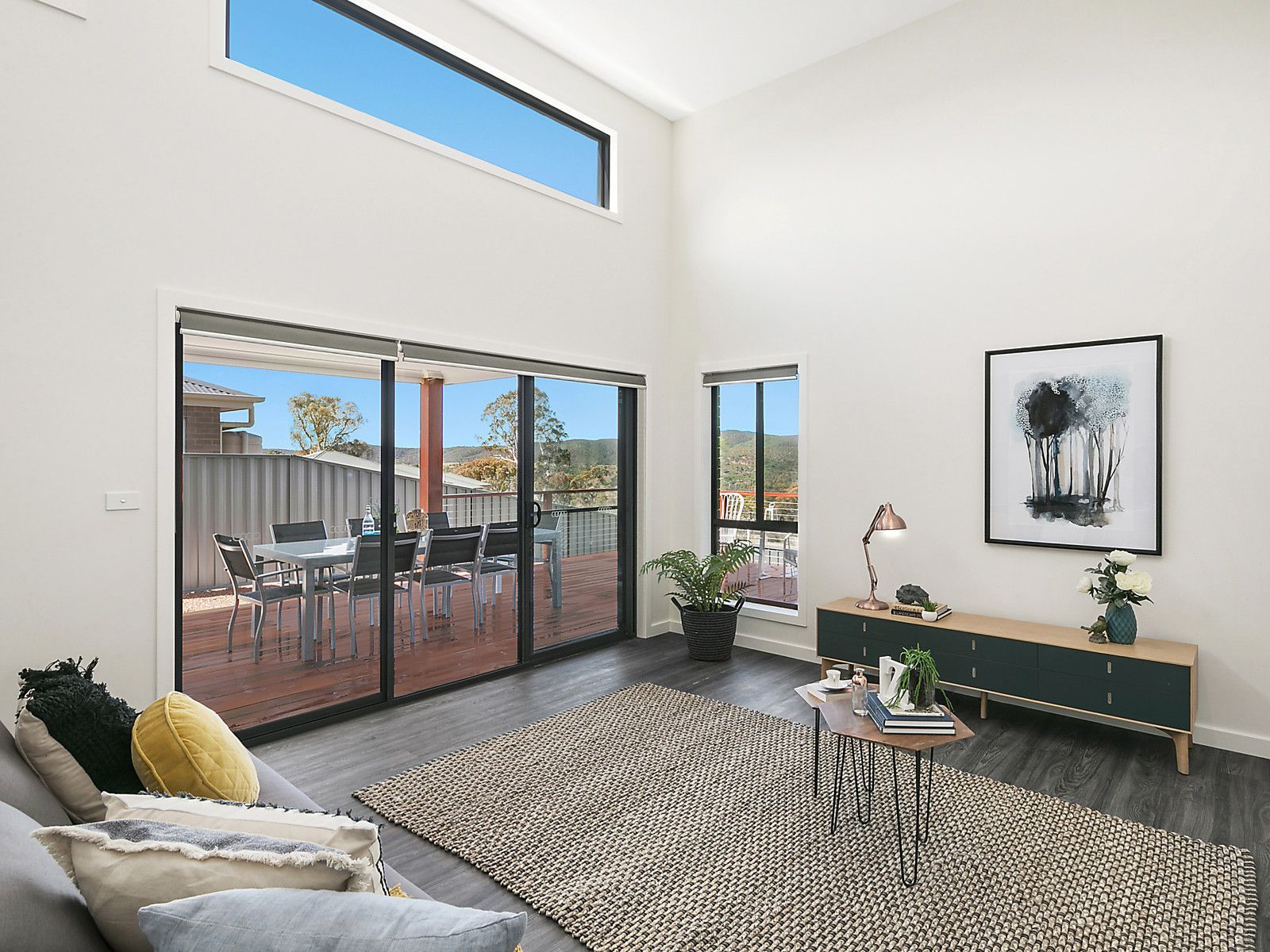
In standard mass-production housing, builders often use off-the-shelf, standardized engineering plans. But a custom home is unique—it might feature an open-concept living room with a soaring cathedral ceiling or large glass sliding doors that open to a patio.
When a builder has a close working relationship with a local structural engineer:
- Custom Designs Become Feasible: Instead of telling you "we can't do that design," an experienced engineer works creatively with the builder to find a way to support large open spaces safely.
- Tailored to Local Geology & Climate: A local engineer knows the specific soil types, moisture levels, freeze-thaw cycles, and wind patterns of our area. They don't over-engineer unnecessarily (which saves you money) nor do they under-engineer (which protects your investment).
- Faster Inspections and Clearances: Because the engineer and builder communicate regularly, structural approvals and site verifications happen in days rather than weeks, preventing long work stoppages.
4. The Craftsmanship Difference: High Volume vs. Handcrafted Detail
To truly appreciate the value of a dedicated network of specialists, it helps to look at how different construction approaches handle the key elements of your home.
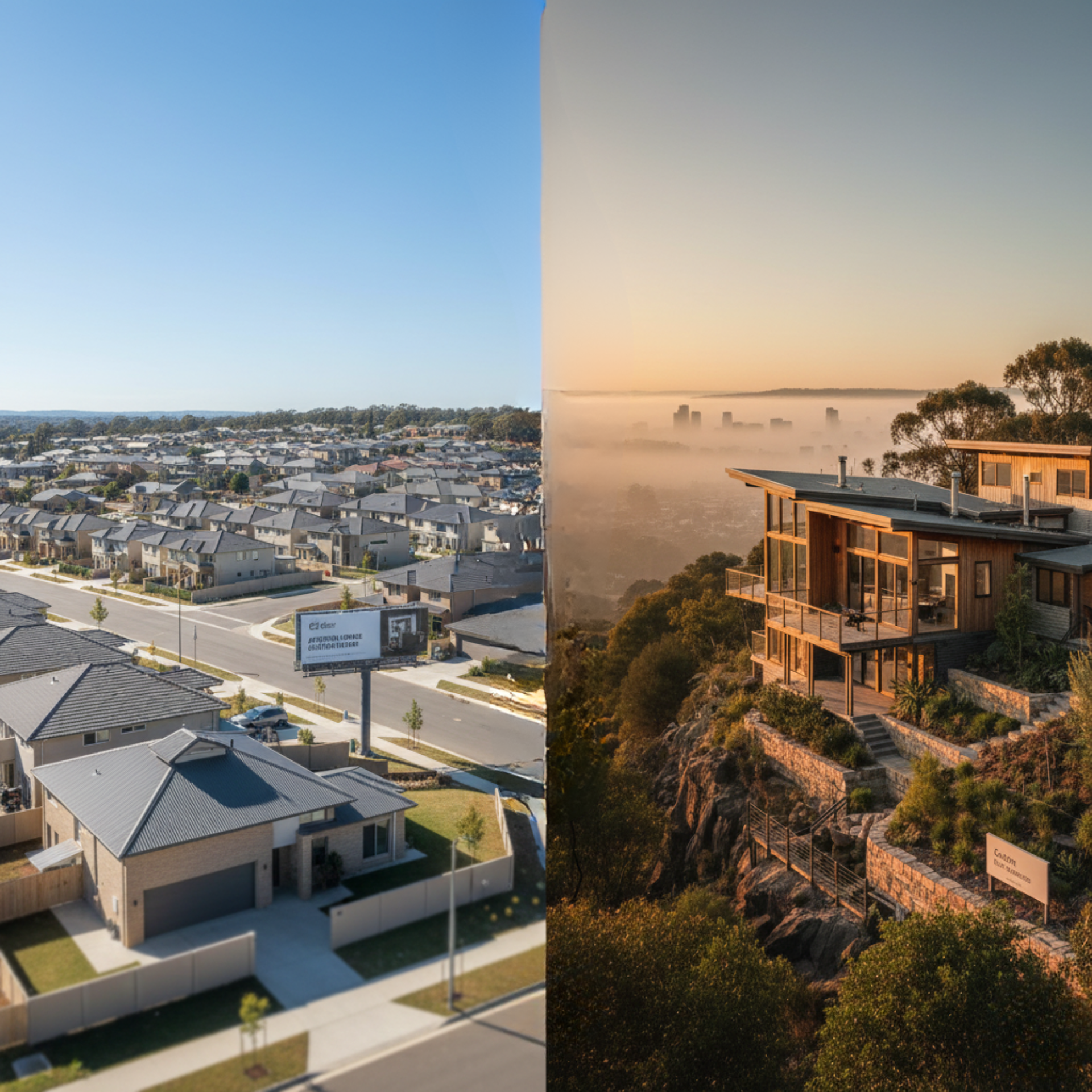
In high-volume, assembly-line housing, speed and cost reduction are the primary drivers. Materials are mass-produced in distant factories and quickly assembled by rotating crews. In custom home building, every detail is treated with care.
Custom Cabinetry Built for Your Space
In standard production homes, cabinets are typically factory-made boxes covered with thin veneers, installed in standard pre-set sizes, and fitted into your kitchen using plastic filler strips to hide extra gaps.
With local custom cabinetmakers, your cabinetry is built directly from solid wood to match your exact floor plan. There are no awkward plastic filler pieces, no wasted corners, and no thin materials that peel after a few years of moisture exposure.
Precision Trim and Millwork
Baseboards, door frames, and crown molding are the visual frame of every room. In quick-build housing, synthetic or thin fiberboard trim is nailed up rapidly, often leaving visible gaps at the corners that are covered up with caulk.
A skilled finish carpenter takes the time to hand-miter wood joints at perfect angles, ensuring seamless corners and clean lines that stay tight and solid for decades.
Flawless Wall and Floor Preparation
What happens beneath your flooring and behind your paint determines how long your finishes last. Fast-paced builders often install drywall and subflooring quickly, relying on thick carpet or heavy paint to disguise uneven spots underneath.
Local custom specialists take the time to laser-level subfloors and meticulously smooth wall surfaces before laying hardwood, stone tile, or applying paint. This extra care ensures your tiles won't crack under pressure and your hardwood lies completely flat.
Flexible Adaptability
In mass-production housing, your design layout is fixed. Making a change mid-way through construction is usually impossible or prohibitively expensive.
Because local specialists are on-site and working closely with the builder, adjusting a light fixture location, adding built-in shelving, or tweaking a wall alignment during the framing stage can be handled smoothly through direct collaboration.
5. The Local Supplier Advantage: Quality Materials and Priority Service
A skilled artisan needs high-quality materials to create a lasting finished product. That is why our network of local suppliers is just as vital as our network of tradespeople.
Building materials have experienced significant supply chain volatility in recent years. Builders who rely solely on distant corporate distributors often face sudden material shortages, long shipping delays, or poor-quality lumber that warps on arrival.
Working with trusted local suppliers offers distinct advantages:
Superior Material Selection
Local lumberyards and masonry suppliers value their long-standing relationships with regional builders. Rather than delivering whatever warped or knotty wood is sitting at the bottom of the pile, they select prime-grade lumber, well-cured masonry, and high-performance insulation for our builds. Better raw materials directly translate to straighter walls, flatter floors, and more durable structures.
Supply Chain Resilience and Flexibility
If a specific tile, window frame, or light fixture is backordered, a strong local network gives us options. Local suppliers know alternative regional sources and can help us pivot quickly without sacrificing quality or style. This keeps your home project moving forward when other construction sites are sitting idle waiting for deliveries.
Supporting the Community Economy
When you build a home using local suppliers and regional tradespeople, your investment stays right here in the community. It supports local families, strengthens small businesses, and fosters a local economy that benefits everyone.
6. Peace of Mind: Warranties, Aftercare, and Long-Term Value
Building a custom home is not just about move-in day—it is about how that home performs 5, 10, or 20 years down the road.
What happens if an adjustment is needed a year after you move in? What if a door needs to be re-hung after the home naturally settles, or you want to expand your back porch three years later?
When you work with a builder who relies on temporary, out-of-town crews, getting follow-up support can be frustrating. Once the job is done, those crews move on to the next city or state, leaving you to track down strangers for repairs.
When you build with a network of local specialists, your team remains right here in your backyard:
- Prompt Aftercare: Because our craftsmen live and work in the same community, handling a touch-up or post-settlement adjustment is quick and effortless.
- Long-Term Relationships: The plumber or electrician who wired and piped your home knows its exact layout. If you ever decide to renovate or add an outdoor feature in the future, the original team can come right back to work on a system they built themselves.
- Higher Resale Value: Quality craftsmanship holds its value over time. Potential buyers can easily spot the difference between a home built with mass-market speed and one crafted with precision. Superior trim work, solid cabinetry, and flawless structural integrity make your home far more desirable on the market if you ever decide to sell.
7. Craftsmanship You Can See and Feel
At the end of the day, a custom home is a reflection of your lifestyle, taste, and hard work. You deserve a building process that is as thoughtful and rewarding as the final result.
By choosing a builder that prioritizes deep, long-standing relationships with local craftsmen, structural engineers, and regional suppliers, you are choosing:
- Uncompromising quality built into every hidden corner and visible surface.
- A smoother, less stressful building journey guided by professionals who communicate and collaborate seamlessly.
- A safer, stronger home designed specifically for your lot, soil, and climate.
- Long-term peace of mind knowing that the people who built your home are part of your local community.
Ready to Turn Your Vision Into Reality?
If you are thinking about building a custom home, you probably have dozens of questions.
Contact Custom Home Creations today to schedule a friendly consultation. Let’s discuss your ideas, answer your questions, and show you how our network of local experts can bring your dream home to life—crafted to perfection, built to last.