
Going All-Electric: What the ACT Gas Ban and 7-Star Energy Rules Mean for Your New Home
Since December 2023, almost every new home in Canberra is designed to be all-electric.
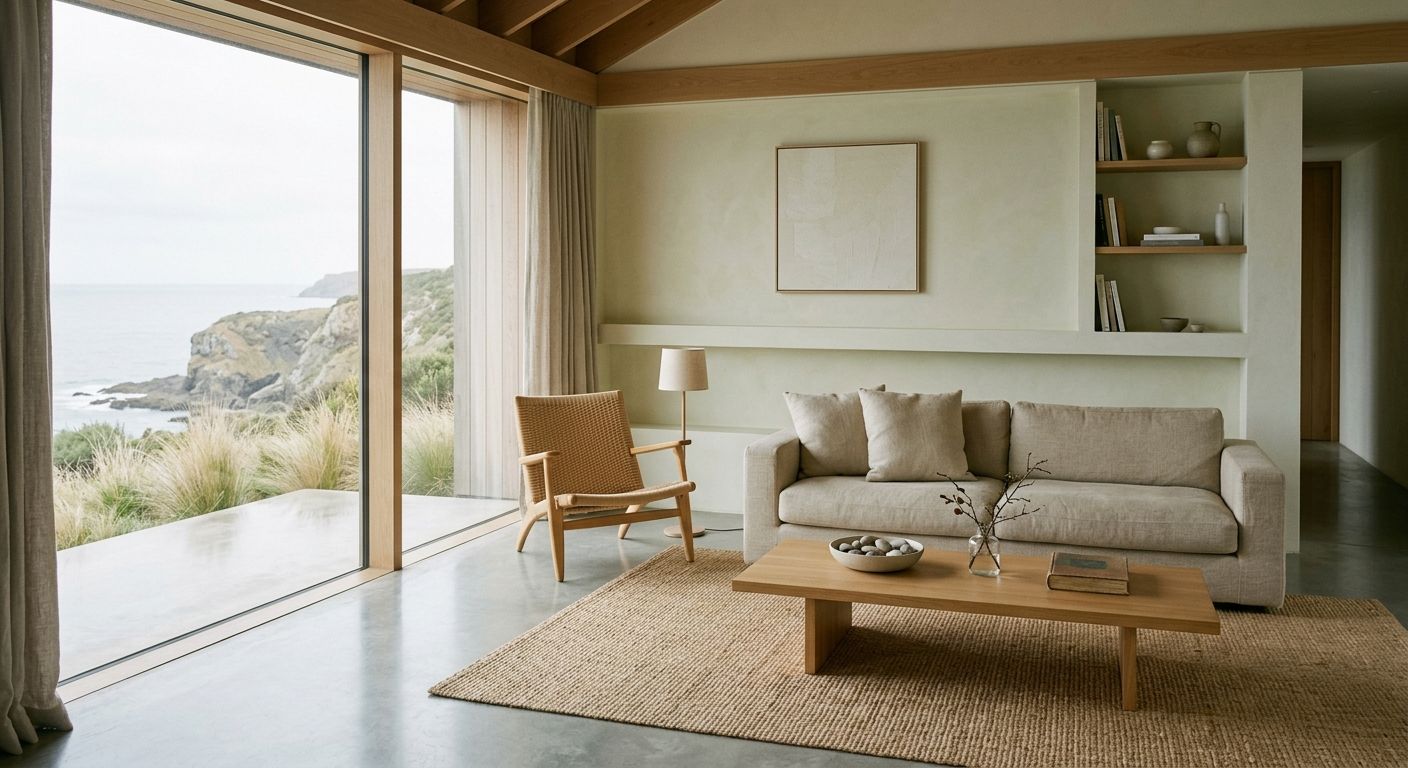
If you are planning a new home in Canberra, the way it is heated, cooled and powered is no longer a simple choice between gas and electricity. Two major changes have reshaped residential building in the ACT: the end of new gas network connections in most zones, and the move to a minimum 7-star energy rating for new homes. Together they mean that almost every new house in the Territory is now designed as an all-electric, high-performance home.
For homeowners, that is good news. All-electric homes avoid gas supply charges, can be powered by rooftop solar, and are more comfortable to live in year-round. But it also means some design decisions matter more than ever. This guide explains what the rules require, what they mean for your custom home, and how to get the best result from them.
1. The ACT's Ban on New Gas Connections
The ACT Government's regulation to prevent new fossil fuel gas network connections took effect on 8 December 2023, with a transition period that ran until 1 March 2024. It applies across all residential, commercial and community facility zones, as well as to residential buildings in other zones.
In practical terms, a new home built on a residential block in Canberra cannot be connected to the gas network. The government's stated aim is to help the ACT reach net zero emissions by 2045, which requires phasing out fossil fuel gas over the next two decades.
What about existing homes and knockdown rebuilds?
The regulation stops new connections. It does not require existing homes to disconnect, so households that already have gas can keep using it. However, there is an important catch for knockdown rebuilds and major renovations: according to the ACT Government, if a gas service has to be decommissioned for a construction project, it cannot simply be reconnected later, because that would count as a new connection. If you are planning a knockdown rebuild, plan on your new home being all-electric.
2. The 7-Star NatHERS Minimum
The Nationwide House Energy Rating Scheme (NatHERS) rates how much energy a home's design will need to keep it comfortable, on a scale from 0 to 10 stars. The 2022 edition of the National Construction Code (NCC 2022) lifted the minimum for new homes from 6 stars to 7.
The ACT adopted these provisions on 15 January 2024. According to ACT Planning, building approvals determined from that date must comply with NCC 2022, which includes:
- A minimum 7-star NatHERS rating for the thermal performance of the building fabric (walls, roof, floors, windows and orientation).
- A whole-of-home energy use budget, which looks at the energy used by major appliances such as heating and cooling, hot water, lighting and pool or spa pumps, and allows rooftop solar to offset that use.
- Liveable housing design provisions, which introduce basic accessibility features such as step-free entry and wider doorways and corridors.
The whole-of-home requirement is particularly relevant in an all-electric context. Choosing efficient appliances and adding solar can make it much easier to meet the budget, while inefficient equipment can work against you.
3. What an All-Electric Custom Home Looks Like
Going all-electric is not about compromise. Modern electric technology is efficient, reliable and, in many cases, more pleasant to use than the gas equivalent. A typical all-electric Canberra home includes the following.
Reverse-cycle heating and cooling
Reverse-cycle air conditioning (a heat pump) moves heat rather than generating it, which makes it highly efficient, even through Canberra's frosty winter mornings. Options include ducted systems, multi-head split systems, and hydronic systems that use a heat pump to warm water for in-slab heating or radiators.
Heat pump hot water
A heat pump hot water system uses the same principle to heat water, typically using a fraction of the electricity of a conventional electric storage system. Units can be timed to run during the middle of the day when rooftop solar is generating.
Induction cooking
Induction cooktops heat the pan directly using a magnetic field. They are fast, precise, easy to clean and do not add combustion by-products to the indoor air. Most keen cooks who switch do not look back.
Rooftop solar and batteries
Solar panels are the natural partner of an all-electric home. A well-sized system can offset a large share of daytime use, and a home battery can store surplus energy for the evening. Designing the roof with solar in mind (orientation, pitch, and keeping clear of shading and clutter) costs little at the design stage and pays off for decades.
EV-ready garages
Even if you do not drive an electric vehicle yet, it is worth allowing for an EV charger in the garage and making sure the switchboard has capacity for it.
Planning the electrical backbone
Because everything in the home now runs on electricity, the electrical design deserves the same attention as the floor plan. A few early decisions make a big difference over the life of the home:
- Switchboard capacity. Allow space for future circuits such as an EV charger, battery or pool heat pump, so you are not paying for a board upgrade later.
- Load planning. Your electrician and designer can look at when major appliances will run and avoid everything drawing heavily at once, which helps keep supply sizing sensible.
- Smart controls. Timers and energy management systems let you run hot water, dishwashers and EV charging when your solar is producing, so more of your own energy is used on site.
- Battery-ready wiring. Even if a battery is not in the initial budget, allowing a location and cabling route makes it simple to add one later.
- Monitoring. An energy monitor shows where your power is going, making it easier to fine-tune habits and spot an appliance that is not performing.
None of these items needs to be expensive, but they are far easier to include during construction than to retrofit once the plasterboard is up.
4. Why Design Comes First
The cheapest kilowatt-hour is the one you never use. Before choosing appliances, a well-designed home reduces how much heating and cooling it needs in the first place. That is exactly what the 7-star NatHERS rating measures, and it is where a custom design has a real advantage over a standard plan that has to work on any block.
- Orientation. Living areas facing north, with correctly sized eaves, capture winter sun and exclude summer sun.
- Insulation. Generous insulation in ceilings, walls and, where possible, floors keeps heat where you want it.
- Glazing. Double glazing and thermally broken frames are now common in Canberra, and the size and placement of windows matters as much as their specification.
- Airtightness. Careful detailing reduces draughts, which can account for a surprising amount of heat loss.
- Thermal mass. Concrete slabs or masonry inside the insulated envelope can store warmth from the winter sun and release it slowly.
- Shading and ventilation. Eaves, pergolas, deciduous planting and cross-ventilation help keep summer heat out.
Our article on passive solar design explains these principles in more depth, and our guide to premium exterior materials covers how cladding, roofing and windows contribute to long-term performance.
5. Going Beyond the Minimum
Seven stars is the minimum, not the goal. Many Canberra homeowners choose to go further, targeting 8 stars or more, because the extra comfort and lower running costs are felt every day of the year. The most cost-effective time to make these upgrades is during design, when changing a window size or adding insulation costs very little compared with retrofitting later.
When weighing up upgrades, consider:
- How long you plan to stay. The longer you live in the home, the more you benefit from lower bills.
- Comfort, not just cost. A high-performance home has more even temperatures, fewer cold spots and less condensation.
- Future value. Energy efficiency is increasingly important to buyers, particularly in Canberra where winters are long.
6. Making the Transition in a Renovation or Extension
Not every project is a new build. If you are extending or renovating an existing Canberra home that still uses gas, it is worth thinking about electrification as part of the project, even though existing connections can stay in place. Major works are often the most cost-effective moment to make the change, because walls, ceilings and floors are already open.
- Replace at end of life. Plan for a heat pump hot water system or reverse-cycle heating to replace gas units when they are due for replacement anyway.
- Upgrade the envelope first. Adding insulation, sealing draughts and improving windows reduces the size, and cost, of the new heating system you need.
- Future-proof the wiring. Run cabling for an induction cooktop or EV charger while the walls are open, even if you install them later.
- Think about the whole home. An extension built to modern standards can be paired with upgrades to the original house so the two parts perform consistently.
7. Support for Canberra Households
The ACT Government's Sustainable Household Scheme offers low-interest loans to eligible ACT homeowners for products including household batteries, electric heating and cooling, heat pump hot water, electric cooktops, ceiling insulation and EV charging. At the time of writing, the scheme's website lists a 3% interest rate for households, with a maximum loan limit of $20,000 for new applicants from 1 July 2026. Eligibility rules and terms change from time to time, so check the current details on the ACT Government's Climate Choices website before relying on the scheme for your budget.
8. Common Questions
Can I still have a gas barbecue or outdoor heater?
The regulation is about connections to the gas network. Portable bottled gas appliances such as barbecues are a separate matter, but we recommend confirming any specific plans with your designer and the relevant authorities.
Will an all-electric home keep us warm in a Canberra winter?
Yes. Modern reverse-cycle and hydronic heat pump systems are designed for cold climates. Combined with a well-insulated, 7-star (or better) building envelope, they deliver consistent warmth efficiently.
Does all-electric cost more to build?
Every project is different, but removing gas means no gas meter, piping or connection, which offsets some of the cost of electric appliances. The bigger long-term difference is in running costs, especially when the home is paired with solar.
Key Takeaways
- New gas network connections have been prevented in ACT residential zones since 8 December 2023.
- Knockdown rebuilds that decommission an existing gas service cannot simply reconnect it.
- Homes approved from 15 January 2024 must meet NCC 2022, including the 7-star NatHERS minimum and a whole-of-home energy budget.
- Smart design (orientation, insulation, glazing and airtightness) does the heavy lifting; efficient electric appliances and solar do the rest.
- Going beyond 7 stars at design stage is usually the most cost-effective way to improve comfort and lower bills.
Build a Future-Ready Home in Canberra
At Custom Home Creations, we design and build custom homes and knockdown rebuilds across Canberra that are comfortable, efficient and ready for an all-electric future. If you would like to understand how these rules apply to your block, or how to go beyond the minimum without blowing the budget, we would love to help. Browse our Portfolio, explore our Services, or contact our team to start the conversation.
This article provides general information only. Regulations and government schemes change, so always confirm current requirements with ACT Planning, the ACT Government and your building professionals.