
How to Choose a Custom Home Builder in Canberra: 10 Questions to Ask Before You Sign
Ten questions that will tell you more about a builder than any glossy brochure.
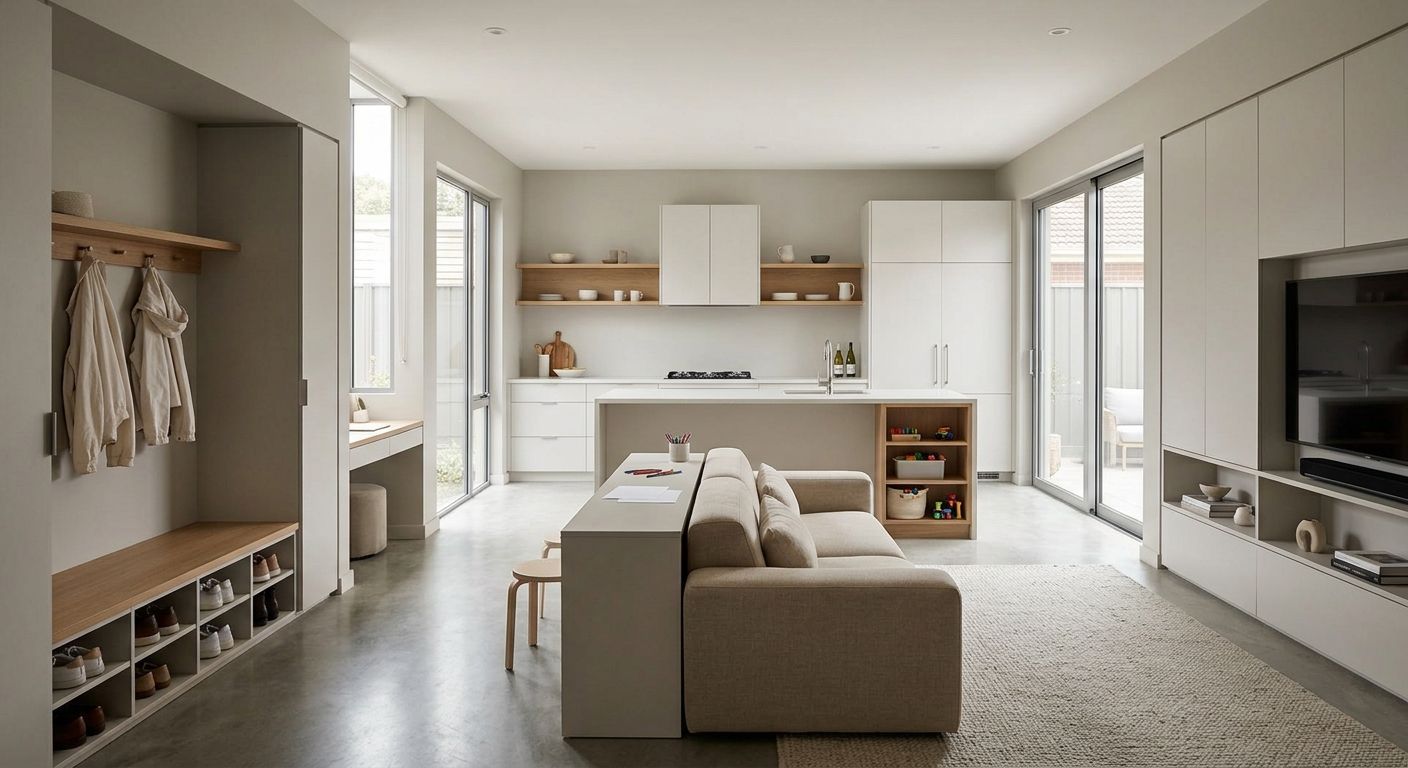
Choosing a builder is one of the biggest decisions you will make on the journey to a new home. The right builder turns your ideas into a home that is well made, on budget and a pleasure to live in. The wrong one can mean delays, disputes and defects that take years to resolve. Yet many Canberra homeowners choose a builder based largely on a price and a few photos.
The good news is that the ACT has clear rules around builder licensing, insurance and warranties, and a few well-chosen questions will tell you a great deal about who you are dealing with. This guide sets out ten questions to ask before you sign, along with what the answers should sound like.
1. Are You Licensed for This Type of Work?
In the ACT, builders must hold the correct licence class for the work they are doing. According to ACT Planning, the main classes are:
- Class A (unlimited): building work of any height.
- Class B (medium rise): building work on buildings up to three storeys.
- Class C (low rise residential): building work on residential buildings up to two storeys, plus associated structures such as garages.
- Class D: non-structural basic building work.
Demolition is specialist work that requires a separate endorsement, which is worth checking if you are planning a knockdown rebuild. You can search builder licences online through the ACT Government, and the ACT also keeps a disciplinary register showing compliance action against builders and their directors. Checking both takes a few minutes and is well worth doing.
2. Will You Provide Residential Building Work Insurance?
For residential building work over $12,000 that needs building approval, ACT rules require the builder to hold residential building work insurance, or a fidelity fund certificate, before work starts. This cover protects you if the builder dies, disappears or becomes insolvent and you cannot recover under the contract.
Ask for a copy of the policy or certificate, and check that your name, the address, the builder's name and the cost of work are correct. Your building certifier must also be satisfied that a complying policy exists before issuing a commencement notice. A reputable builder will provide this without hesitation.
3. Can I See Homes You Have Built and Speak to Past Clients?
ACT Planning recommends asking builders for examples of similar past work and contacting recent clients. Photos are a good start, but nothing beats walking through a finished home or speaking to someone who has lived through the process. Ask past clients:
- Did the builder communicate clearly and regularly?
- Was the project delivered close to the agreed time and price?
- How were variations and problems handled?
- How responsive was the builder during the defects period?
- Would they build with them again?
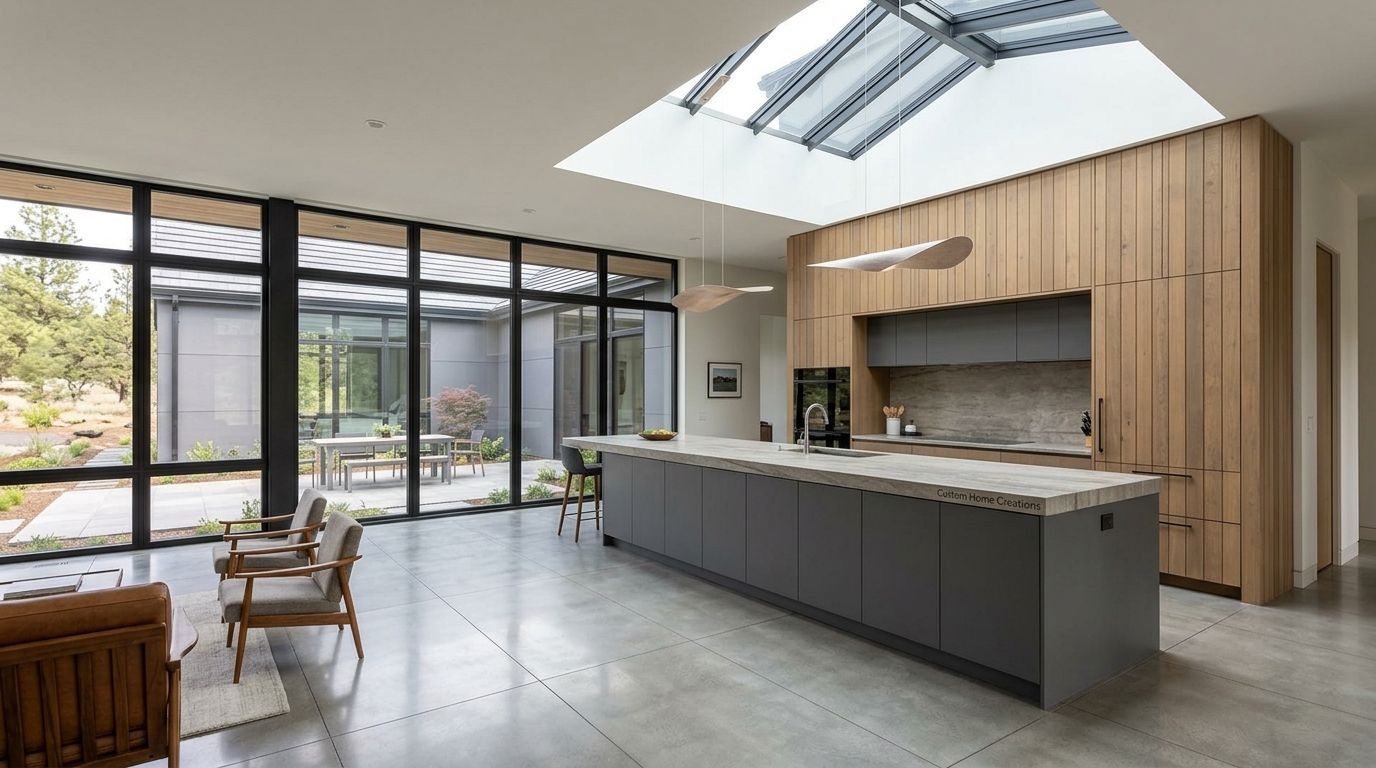
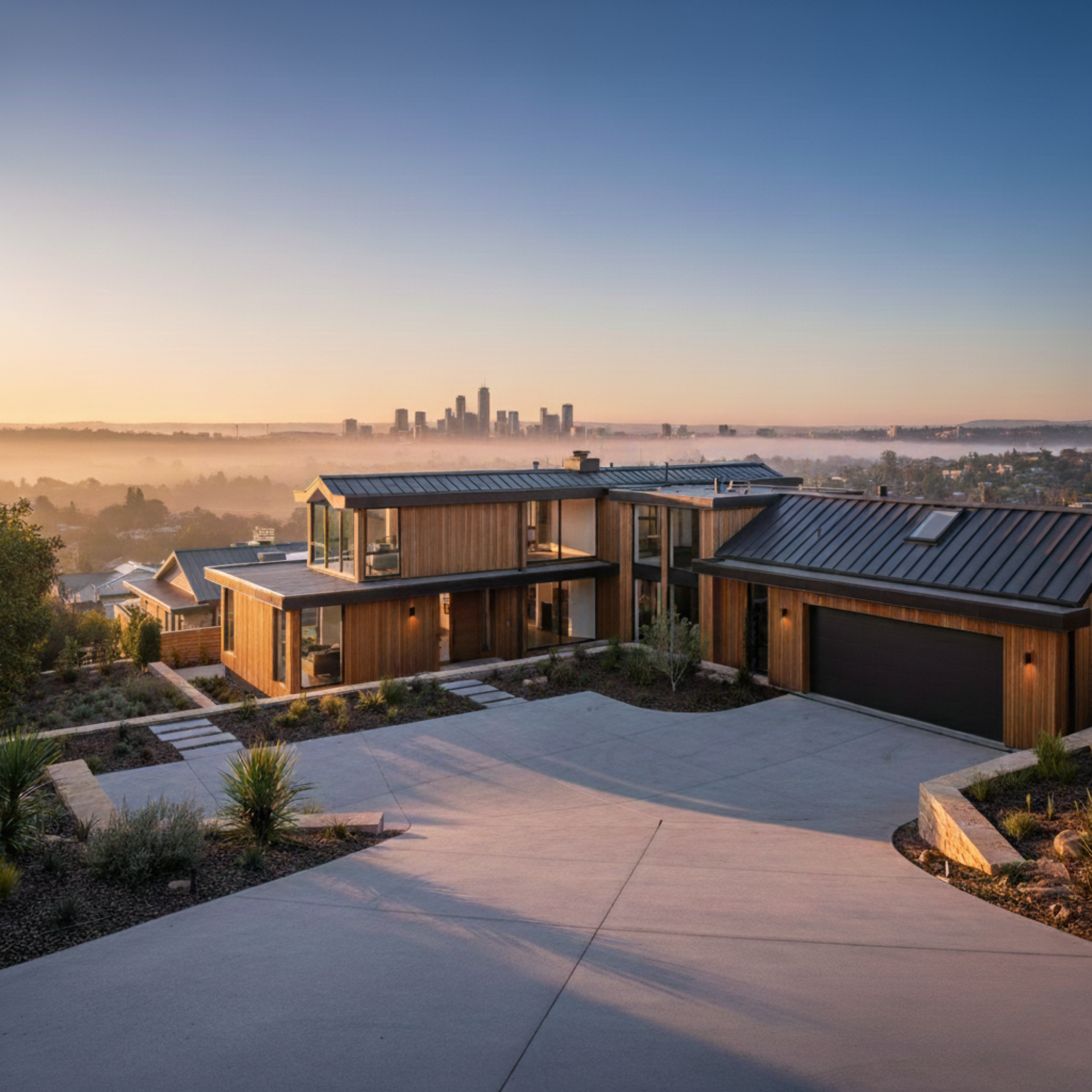
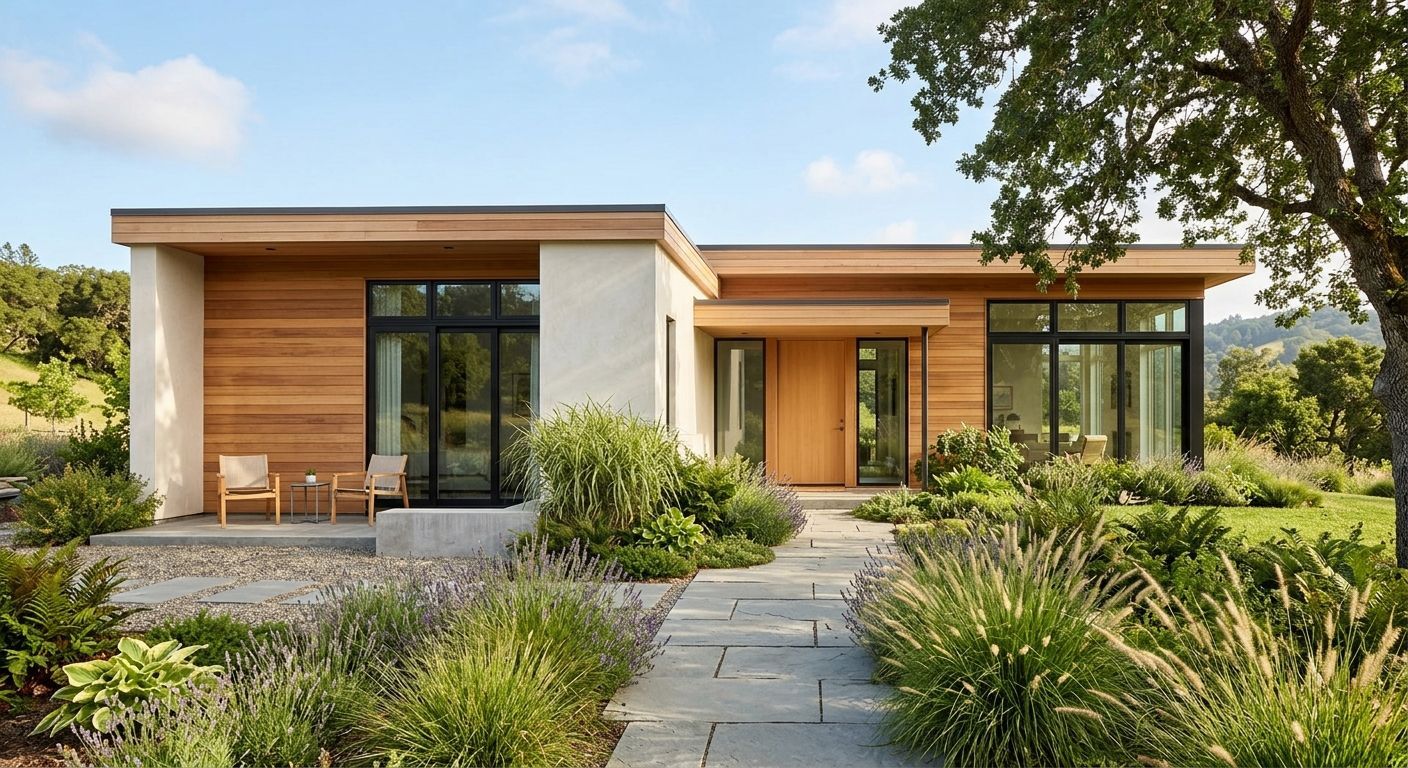
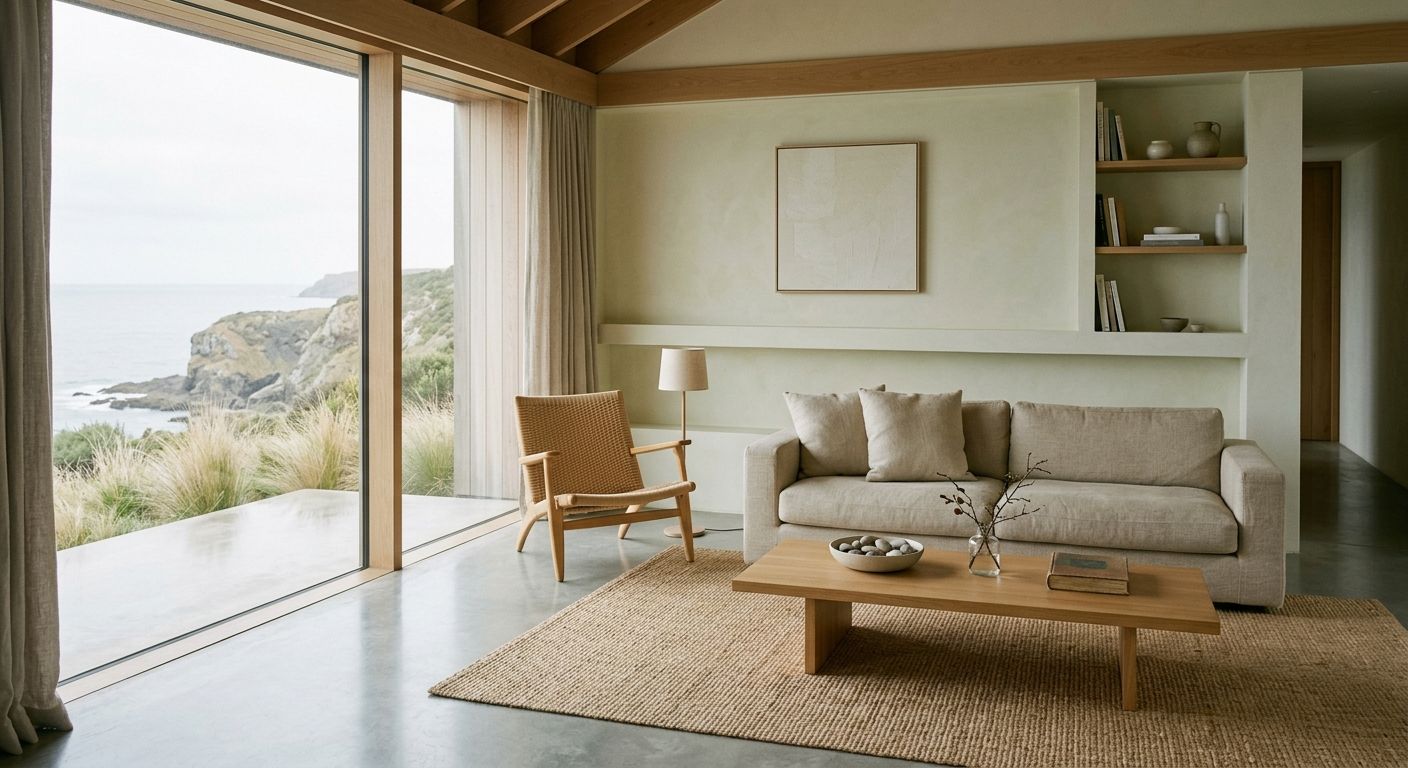
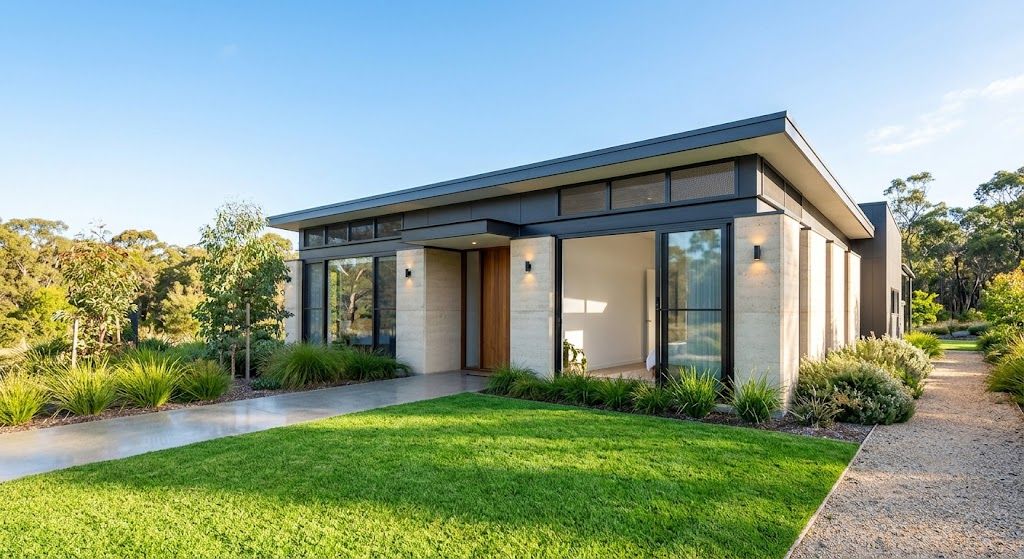
You can browse our completed custom homes and renovations in our Portfolio.
4. What Exactly Is Included in Your Quote?
ACT Planning advises getting at least three quotes, noting that the cheapest is not always the best value. The challenge is that quotes are rarely like-for-like. One may include site costs, driveways and landscaping; another may leave them as provisional sums or exclude them entirely.
Ask each builder to explain:
- Which site costs are included, such as excavation, retaining walls and stormwater.
- What are fixed prices versus provisional sums or prime cost allowances, and whether those allowances are realistic.
- The specification of key items such as windows, insulation, cladding, kitchens and bathrooms.
- What is excluded, such as fencing, landscaping, window coverings or connection fees.
A detailed, transparent quote is a sign of a builder who plans carefully. Our article on custom homes on a clear budget explains how we approach pricing.
5. What Will the Contract Look Like?
Surprisingly, ACT law does not require a written contract for residential building work, but ACT Planning strongly recommends one. A good contract should include:
- The names and signatures of both parties, the address of the work, and the builder's licence and insurance details.
- A detailed description of the work, with plans and specifications.
- Who is responsible for obtaining approvals.
- The price, start date and completion date.
- How variations are made, which should generally be in writing and signed by both parties.
- A progress payment schedule linked to completed stages of work.
- Practical completion, the defects period, dispute resolution and termination clauses.
Importantly, there is no mandatory cooling-off period for building contracts in the ACT, so make sure you are comfortable before you sign, and seek independent legal advice if you are unsure about anything.
Fixed price or cost-plus?
Ask which type of contract the builder proposes. Under a fixed-price contract, the builder agrees to deliver the defined scope for a set price, with changes handled as variations. Under a cost-plus contract, you pay the actual cost of labour and materials plus an agreed margin or fee. Fixed-price contracts give more certainty, while cost-plus arrangements can suit complex or highly bespoke projects where the scope is still evolving. Whichever you choose, make sure you understand how costs are reported, how allowances are reconciled and when you will be asked to approve changes.
6. How Much Deposit Do You Require, and How Are Progress Payments Structured?
There is no legal limit on deposits in the ACT, although ACT Planning notes that industry practice is usually up to 10% of the contract price. Beyond the deposit, progress payments should generally only cover work that has been completed. Be cautious of any builder asking for a large deposit or payments well ahead of the work on site.
7. Who Appoints the Building Certifier?
In the ACT, the landowner appoints the building certifier. ACT Planning is clear that a contract must not give the builder the right to appoint the certifier or act as your agent for this. An independent certifier is an important check on the quality and compliance of the work, so make sure this is set up correctly from the outset.
8. What Warranties Apply, and How Do You Handle Defects?
For residential building work over $12,000 that requires building approval, statutory warranties apply even if the contract does not mention them. The work must comply with the Building Act 2004, be carried out in a proper and skilful way, and follow the approved plans. According to ACT Planning, structural elements (including external walls and weatherproofing) are covered for six years from completion, and non-structural elements for two years. Some items, such as fences, paving, retaining walls and outdoor pools, are not covered.
Ask the builder how they manage the defects period, how quickly they respond to issues, and whether they offer any additional warranties. Any extra contractual warranties cannot reduce your statutory rights.
9. Who Will Actually Build My Home?
The quality of a home comes down to the people on site. Ask who will supervise your project day to day, how often the builder visits, and whether the trades are long-standing partners or whoever is available that week. Builders with an established team of local trades tend to deliver more consistent quality and better problem-solving. We have written about why our network of local craftsmen and specialists makes all the difference.
10. How Will We Communicate During the Build?
Good communication prevents most building disputes. Ask how often you will receive updates, who your main point of contact will be, how decisions and selections are recorded, and how site visits are arranged. Clear expectations at the start make the whole process far less stressful.
Bonus: Do You Understand Canberra Conditions and Rules?
Building in the ACT has its own requirements, from development approvals under the Territory's planning system to the 7-star NatHERS minimum for new homes approved from 15 January 2024 and the restriction on new gas network connections. A builder who knows the local rules and conditions, including Canberra's cold winters and hilly blocks, will save you time and money. Our Complete Guide to ACT Development Approvals in 2026 is a good starting point.
What a Good First Meeting Looks Like
Your first meeting with a builder is as much about how they listen as what they say. A builder worth working with will usually:
- Ask about your life, not just your floor plan. How you cook, work, entertain and relax shapes the design far more than room counts. Our article on how custom design solves everyday family frustrations shows why this matters.
- Talk honestly about budget. Rather than telling you what you want to hear, they will discuss what is realistic for your block, size and finishes, and where the cost drivers are likely to be.
- Want to see the site. Slope, soil, access, orientation and existing structures all affect cost and design. A builder who prices without understanding the site is guessing.
- Explain the process step by step. From design and approvals to construction, handover and the defects period, you should leave knowing what happens next and roughly how long each stage takes.
- Be clear about what they do not do. Good builders know their strengths and will tell you if your project is not the right fit.
Pay attention to how you feel after the meeting, too. You will be working closely with this team for many months, so trust and easy communication matter as much as technical skill.
Red Flags to Watch For
- Reluctance to provide a licence number or insurance certificate.
- Pressure to sign quickly or pay a large deposit upfront.
- Vague quotes with large provisional sums and few specifications.
- No written contract, or a contract that lets the builder appoint the certifier.
- No completed homes you can see or past clients you can speak to.
- Requests for payments that run ahead of the work completed on site.
Key Takeaways
- Check the builder's licence class and the ACT disciplinary register.
- Confirm residential building work insurance or a fidelity fund certificate for work over $12,000.
- Compare at least three detailed quotes, not just the bottom-line price.
- Use a comprehensive written contract, and remember there is no cooling-off period in the ACT.
- Appoint your own certifier and understand your statutory warranty rights.
- Choose a builder whose people, process and communication you trust.
Talk to Custom Home Creations
At Custom Home Creations, we believe choosing a builder should feel like the start of a partnership, not a gamble. We are happy to answer every one of these questions, walk you through our process and show you homes we have built across Canberra. Learn more about us, explore our Services and Portfolio, or contact our team to arrange a conversation about your project.
This article provides general information only and is not legal advice. Always confirm current requirements with ACT Planning and seek independent legal advice before signing a building contract.